Reading the Water: Navigating What Matters in Regulatory and Quality
Approval Isn’t the Goal, Adoption Is
I see this mistake all the time. Founders build their roadmap around getting FDA clearance.
It becomes the milestone, the moment everything is supposed to change...and it doesn’t.
FDA clearance just means you are allowed to sell something. It doesn’t mean anyone wants it. It doesn’t mean anyone will pay for it. It doesn’t mean it fits into how care is delivered.
I worked with a company developing a product in a crowded space. Dozens of alternatives already existed, many selling for less than $150. Their belief was that if they got FDA clearance, they could price their product at over $10,000. That was never going to happen. Even after multiple clearances (some to even try and “differentiate” them).
Providers don’t think in terms of regulatory pathways. They care about cost, workflow, and whether the product solves a real problem. Clearance doesn’t create demand. This is where companies get off track. They treat FDA authorization as validation of value. It’s not. It’s permission.
I see the same thinking with PMA products. There’s an assumption that because the bar is higher, the outcome is better. That FDA agreeing with safety and effectiveness is the “golden ticket.” It isn’t. A PMA doesn’t guarantee adoption. It doesn’t guarantee reimbursement. It doesn’t guarantee a viable business.
On the other hand, I’ve seen simpler pathways, 510(k)s and De Novos, lead to strong adoption because the product actually made sense for providers and fit into how care is delivered. When providers use something, reimbursement tends to follow. Not the other way around.
What actually drives success is much simpler. Indications, claims, and evidence need to align with something the market will adopt and pay for.
And regulatory is rarely the biggest cost in getting there. The real spend is product development, clinical work, and commercialization. If those are aimed at the wrong outcome, the mistake gets expensive fast.
The core issue is where companies start. They ask, “What can we get cleared?”
The better question is, “What do we need to sell?”
Marketing and product should define the target. What problem are we solving? Where is the revenue? What does adoption look like?
Then regulatory builds the path to support that. Not the other way around. That doesn’t mean taking unnecessary risk. It means being intentional. Sometimes a narrower or faster pathway makes sense as part of a broader strategy. But it should still point toward a commercial outcome.
You have to read the water… Know where the opportunity is. Know where the risks are. Know when to push and when to stay off the rocks.
Clearance is just a step. Adoption is the win.
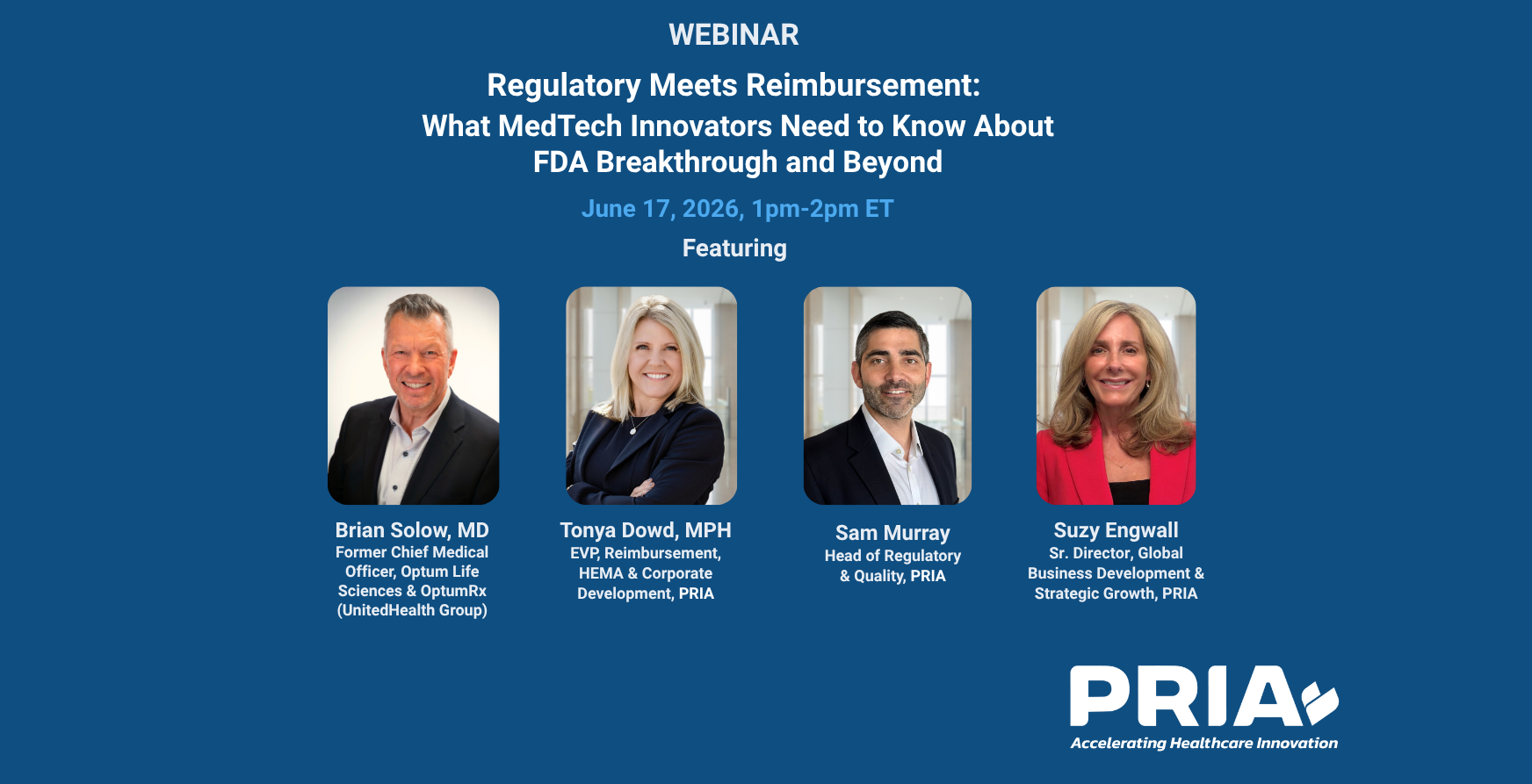
If you'd like to learn more from Sam about strategies for greater adoption of your novel medical technology,
please contact us.

Sam Murray
Head of Regulatory & Quality
Click the Icon below to share this with your network